Taming the Chariot
Matt Nasser
Taming The Chariot
Finding Hope for Our AI Future in Ancient Tragedy
April 13, 2026
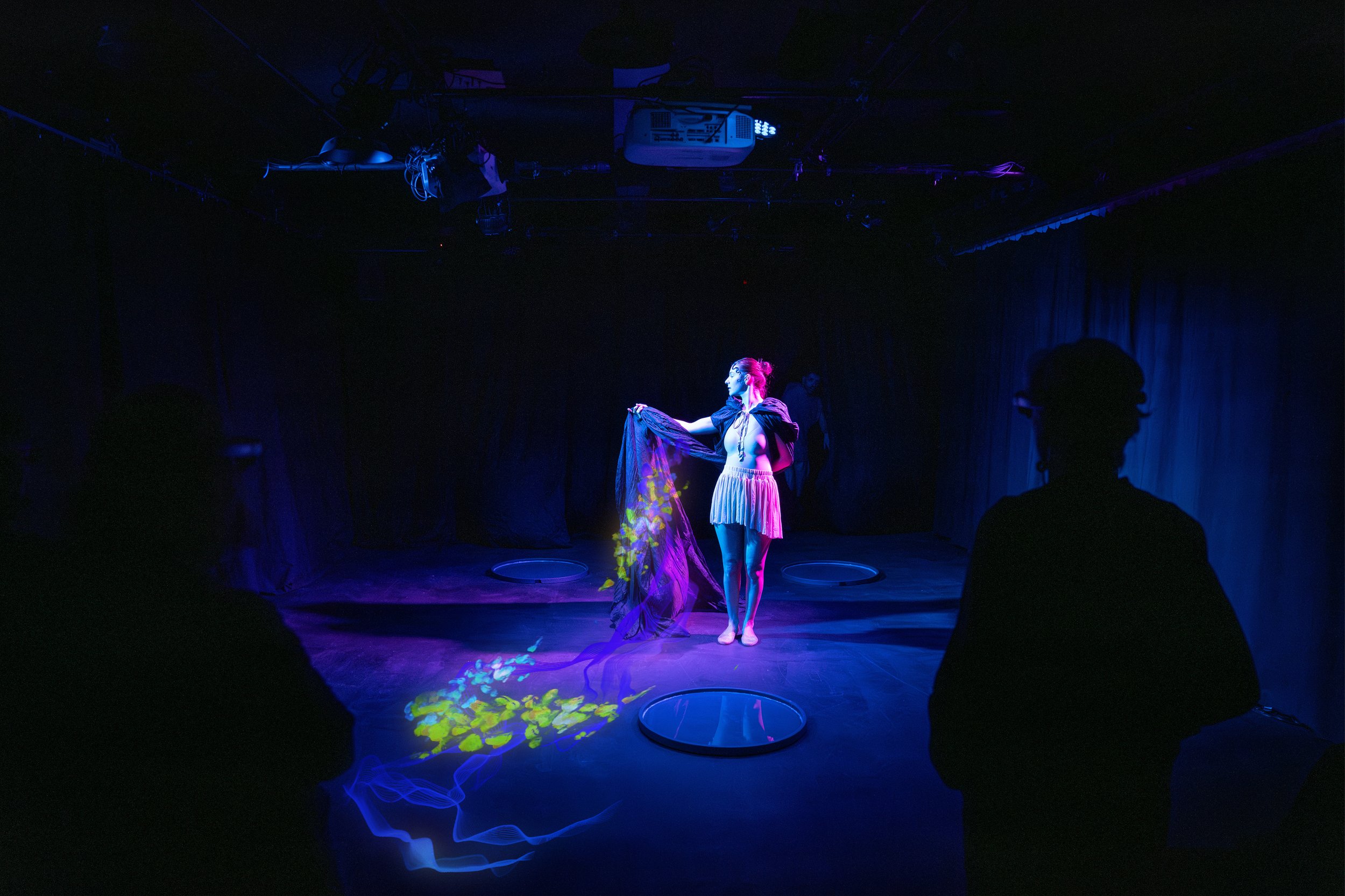
Photo by Ji Hoon Kim, Graphics by Mavra Gidia
I hear about artificial intelligence constantly these days, in regard to almost everything.
The news cycle is relentless, and its implications often terrify me. As an actor, I am acutely aware of AI starting to replace human talent with synthetic performances, and this is one of the less menacing applications. The fear is palpable within my industry; not only does AI threaten to automate background work, but it is already being used to clone voices and likenesses, displacing the very soul of performance. This technological leap challenges our understanding of authenticity, and what it means to be an artist. We are heading down an inescapable, treacherous path, as humanity eagerly builds the engine of its own obsolescence. But a recent theatrical production I attended gave me a profound sense of hope.
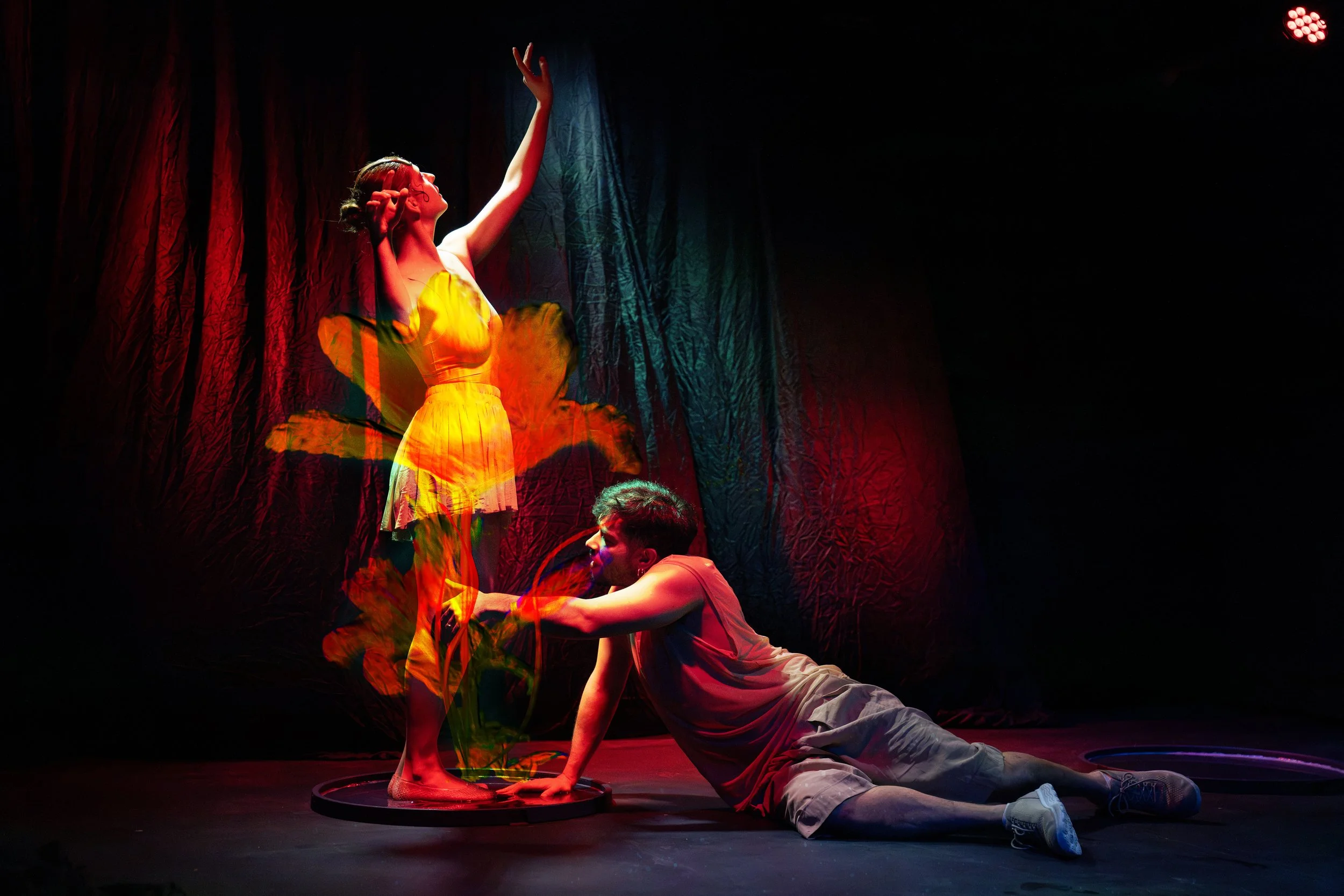
Photo by Ji Hoon Kim, Graphics by Mavra Gidia
The production was an innovative staging of the classic Greek tragedy Hippolytus by Euripides. It used augmented reality headsets to merge the ancient and digital worlds in a way that felt less like a gimmick and more like an essential storytelling element. The play's narrative follows a young prince who hubristically rejects the goddess Aphrodite, the embodiment of love, passion, and the messiness of human connection. Hippolytus believes he can perfectly optimize his life through purity, logic, and self-control, effectively denying his humanity. In swift retaliation, Aphrodite orchestrates a sequence of fatal misunderstandings leading to his tragic death.
Watching the story unfold, I realized humanity is playing the role of Hippolytus. Our modern obsession with efficiency and optimization echoes his ancient hubris. We are investing heavily in massive data centers and sprawling infrastructure, driven by relentless economic competition to construct a runaway chariot of complex, opaque algorithms. We blindly hope we will somehow maintain control of the reins, prioritizing speed and scale over wisdom and human welfare. The core mistake of Hippolytus was his refusal to respect the forces he did not control or understand. Similarly, we are forging a power the implications of which we have barely begun to grasp, believing our rational systems will shield us from its chaotic, destructive potential. I can only hope the billionaires making these monumental decisions have read their Ancient Greek.
Somehow, I doubt it.
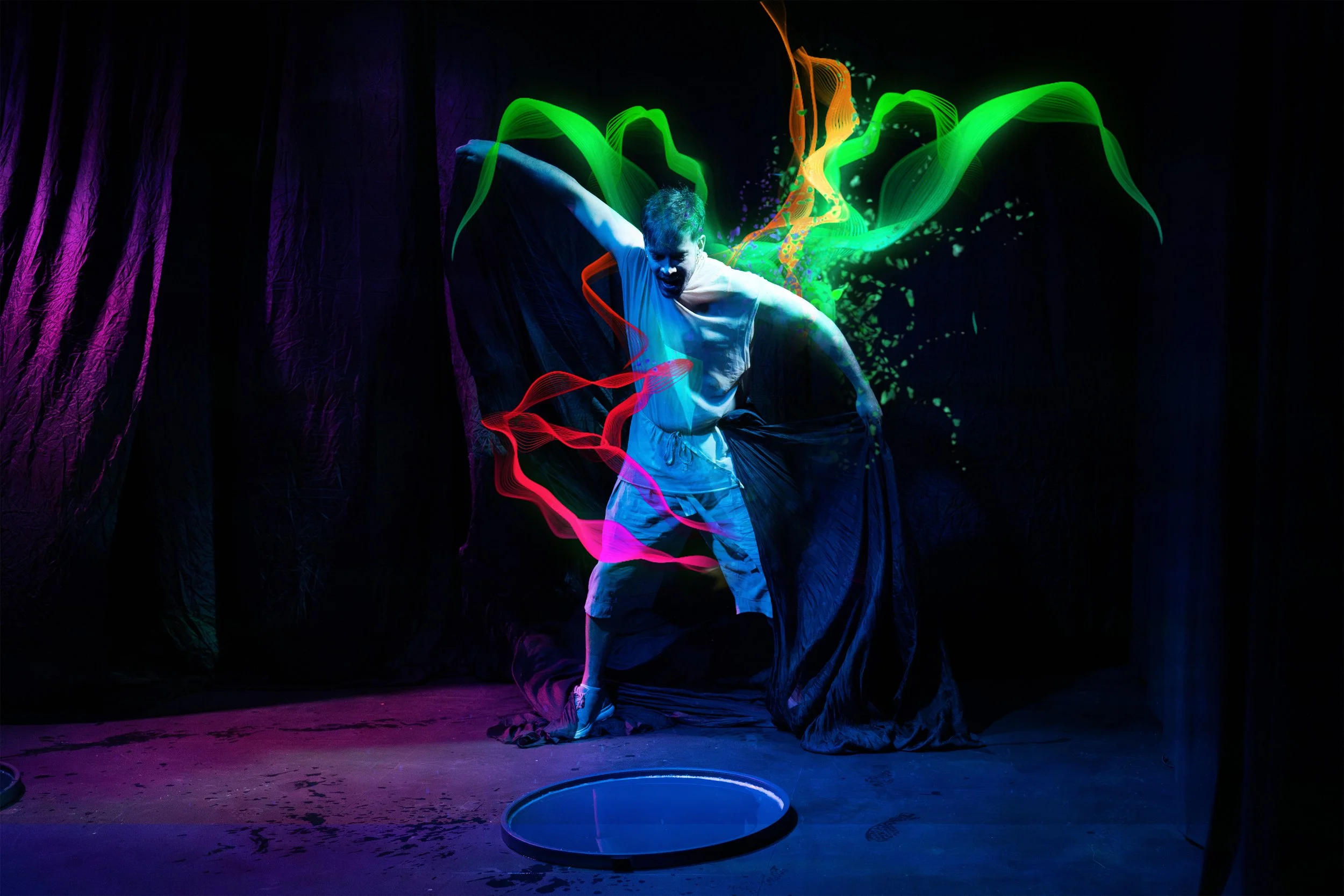
Photo by Ji Hoon Kim, Graphics by Mavra Gidia
Yet the magic of this production provided a counterpoint to my existential dread through its perfect synthesis of the human and the artificial. The live actors are from Greece and performed entirely in their native language, lending a grounding gravitas to the ancient text. But, as I watched them through my headset, English subtitles floated in the air wherever I looked. The technology bridged the ancient spoken language and my modern understanding seamlessly. These breathing actors shared the space with breathtaking digital wonders, proving that technology can elevate human performance rather than replace it.
What truly defined the show's brilliance was the magic of the storytelling achieved through the actors' deliberate interaction with the AR environment. In a moment of quiet grace, the actor playing Hippolytus knelt down and appeared to be feeding the sacred deer of Artemis water from a small, cupped hand, even though the majestic, golden creature existed only as a digital projection. This simple, intimate action solidified the bond between man and myth, making the AR-generated deer a tangible, emotional presence. Furthermore, when the goddess Artemis made her divine appearance, the visual spectacle was profound: a digital, living tree seemed to grow out of the actress, its roots entwining her body, symbolizing the ancient, primal power she commands. These intentional, physical acknowledgments of the virtual elements transformed the AR from a passive background into an active, collaborative partner in the narrative.
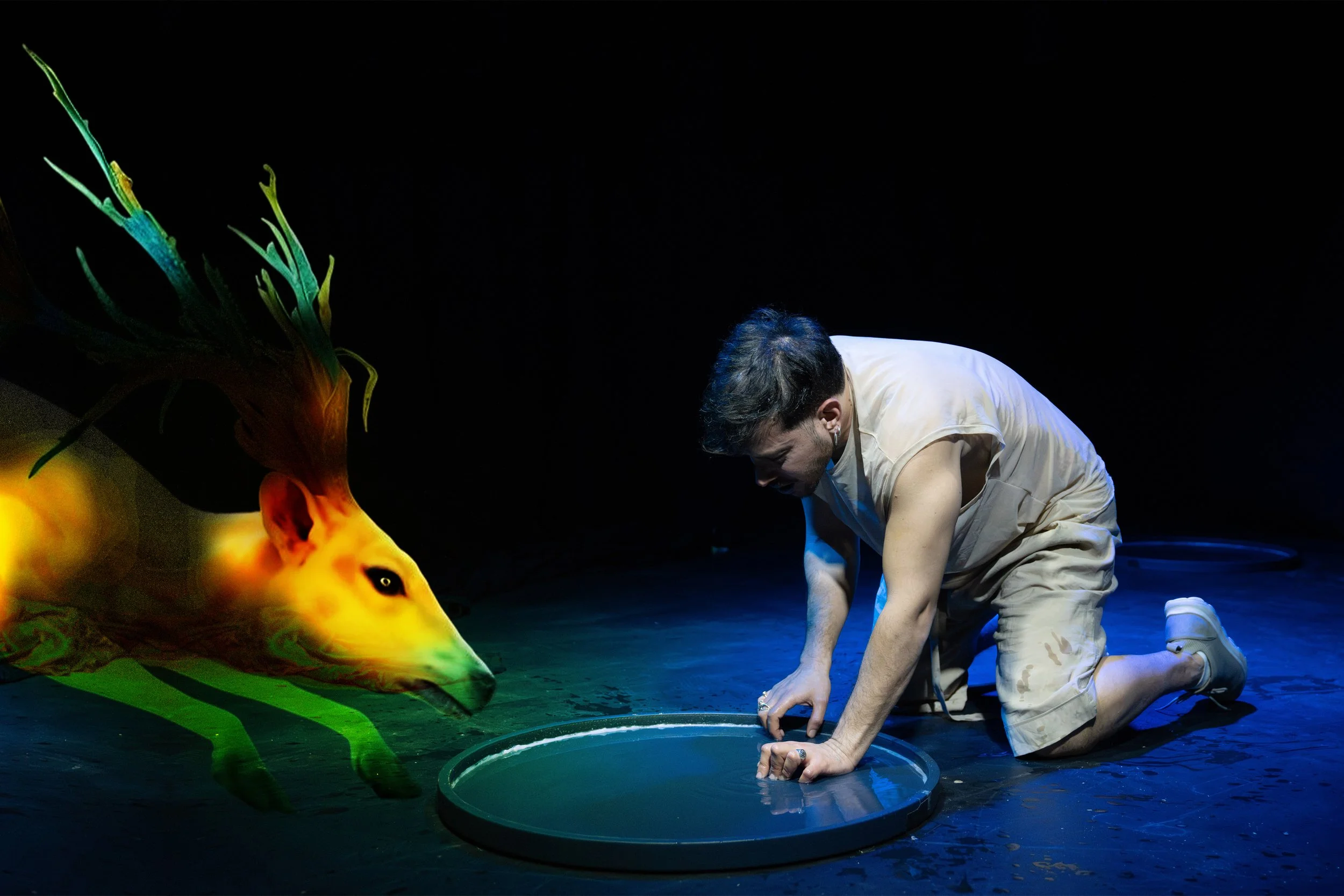
Photo by Ji Hoon Kim, Graphics by Mavra Gidia
In an age where artificial intelligence can instantly generate hyperrealistic images that completely lack a soul, the animations in this production possessed a distinctly human touch. Early in the play, a gorgeous digital tree slowly shed its colorful leaves, each one rendered with a noticeable, painterly quality. Later, a flock of digital birds flew wildly all around us. When the sacred deer of Artemis appeared to the prince, its hand-drawn quality made it appear majestic and golden, suggesting the work of a masterful artisan rather than a cold algorithm. Finally, the phantom horses of Hippolytus frantically raced over us and broke apart right before our eyes in a visceral explosion of golden light. All of these elements felt meticulously crafted. They retained a raw and elemental quality that grounded the high technology in ancient artistic traditions, making the digital spectacle feel deeply human.
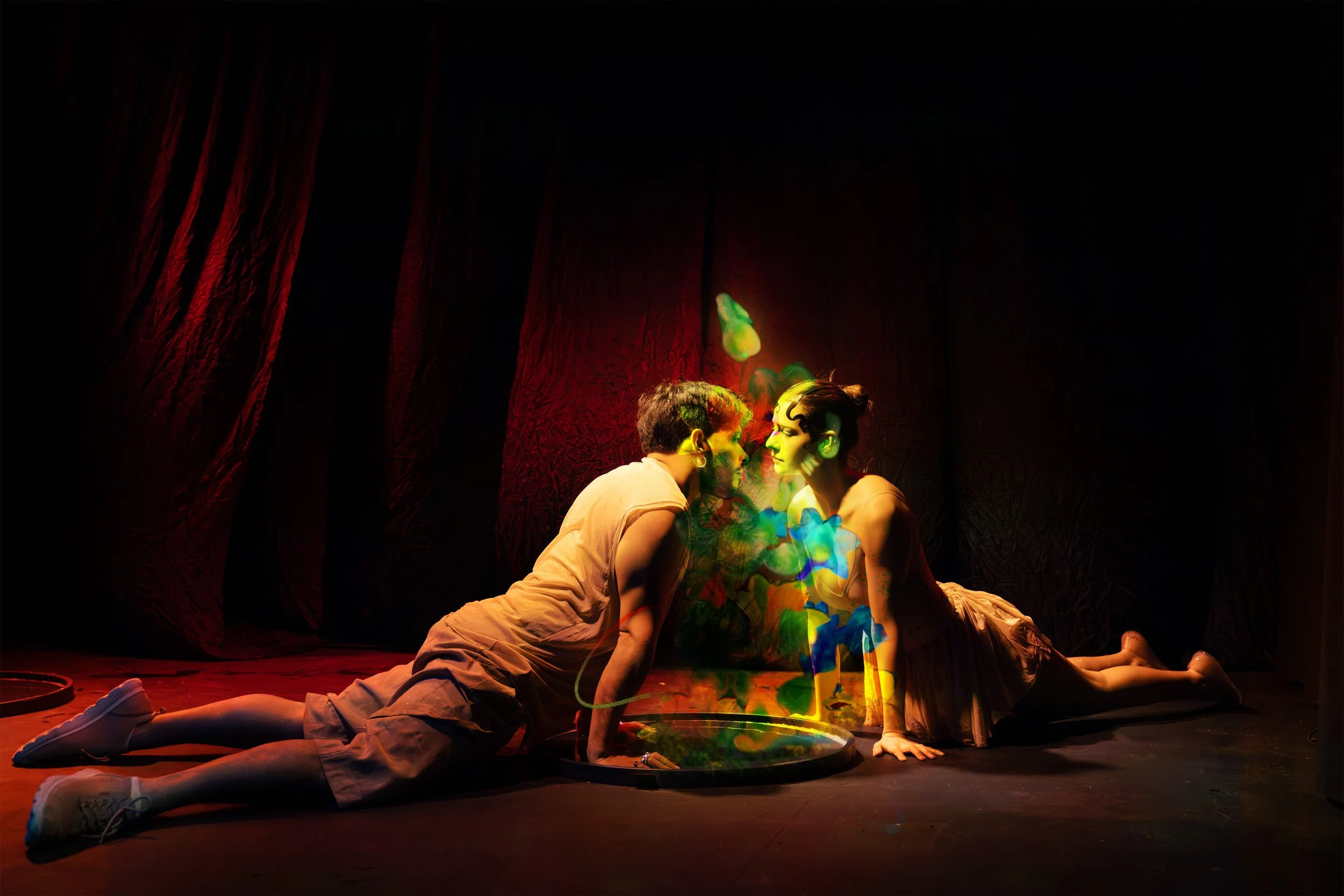
Photo by Ji Hoon Kim, Graphics by Mavra Gidia
This delicate balance of the human and artificial suggests a viable path forward. The tragedy of Hippolytus occurs because he refuses to acknowledge a powerful force, choosing instead to suppress it until it destroys him. We do not have to make the same fatal mistake. If we approach this technology with the care and artistic intentionality seen in this play, if we insist on a collaboration between human art and digital capability, we might actually be able to survive it. We can choose to treat these complex algorithms not as autonomous gods to be feared, but as powerful, sophisticated tools for our creativity. We must insist on maintaining the human hand in everything we build, ensuring that the soul, the intent, and the artistry remain paramount. Then maybe we can harness this immense power to explore the themes we have been grappling with since the dawn of time in breathtaking new ways. Only then can we steer the chariot of our technological progress with conscious, deliberate wisdom.

Matt Nasser is an actor, writer, and director embedded in the downtown performance community. As a member of the Great Jones Repertory and the Big Art Group, his creative work frequently bridges the gap between visual art and live performance. Drawing on his extensive background curating exhibitions, Matt explores how emerging artists adapt and create alongside modern innovations.