Floating Sound, Lingering Audience, Overflowing Experiments
Hyun-min Song
Floating Sound, Lingering Audience, Overflowing Experiments
January 27, 2026
Note this review was first published in Monthly GAEKSUK. Hearing Time in Silence will be presented January 30-31, 2026 at La MaMa.
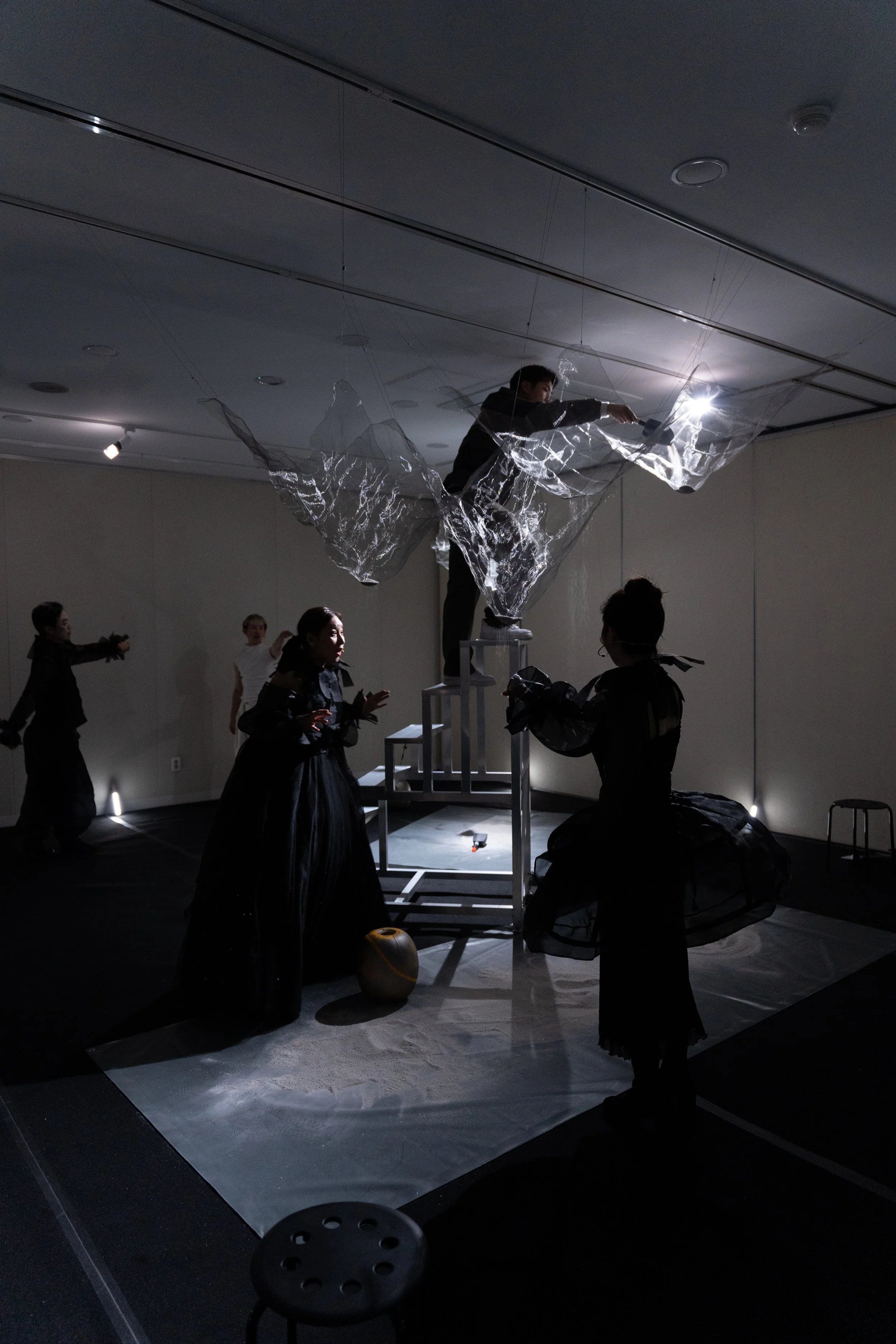
Presented at the Korea–China Cultural Center in Incheon (Nov. 15–16) and at Gallery M30 of the Mullae Arts Factory in Seoul (Nov. 22–23), Hearing Time in Silence arrives under the label of “opera” only to quietly undo opera’s familiar apparatus. There is no stage and no seating. No curtain rises, and no applause marks a beginning. Plot and aria—the form’s conventional anchors—are absent. What emerges instead is an altered genre: an opera that functions less as spectacle than as a sustained condition.
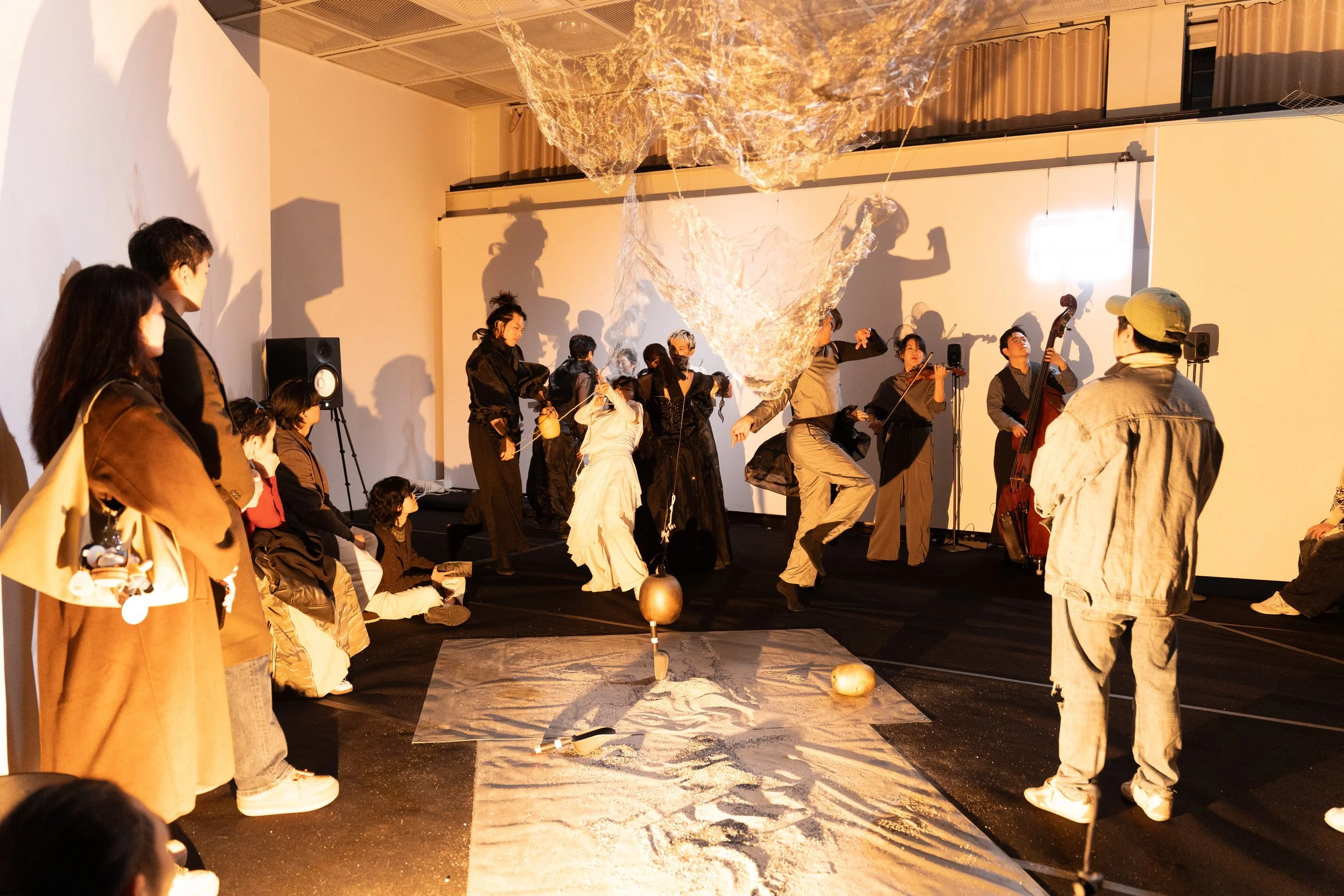
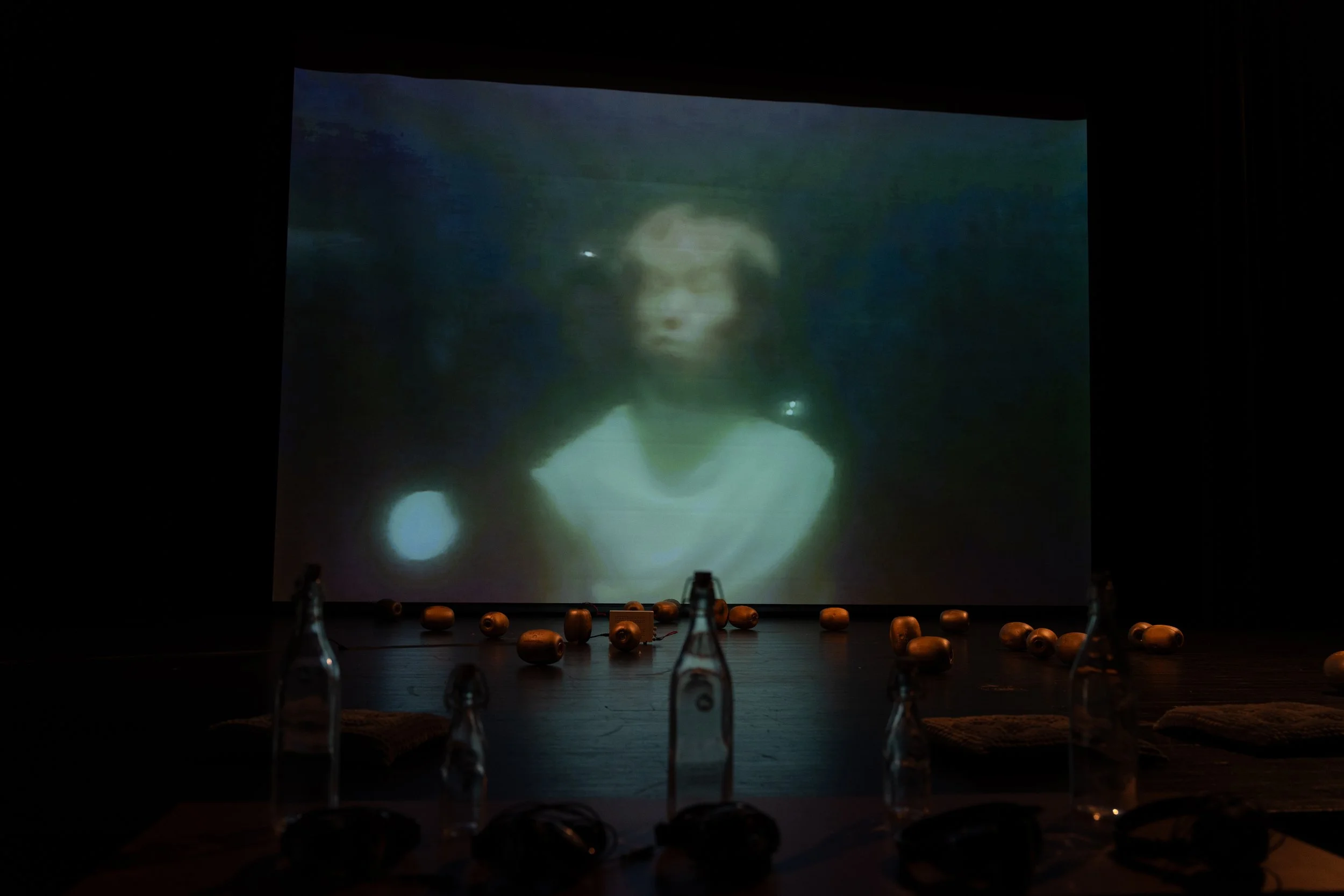
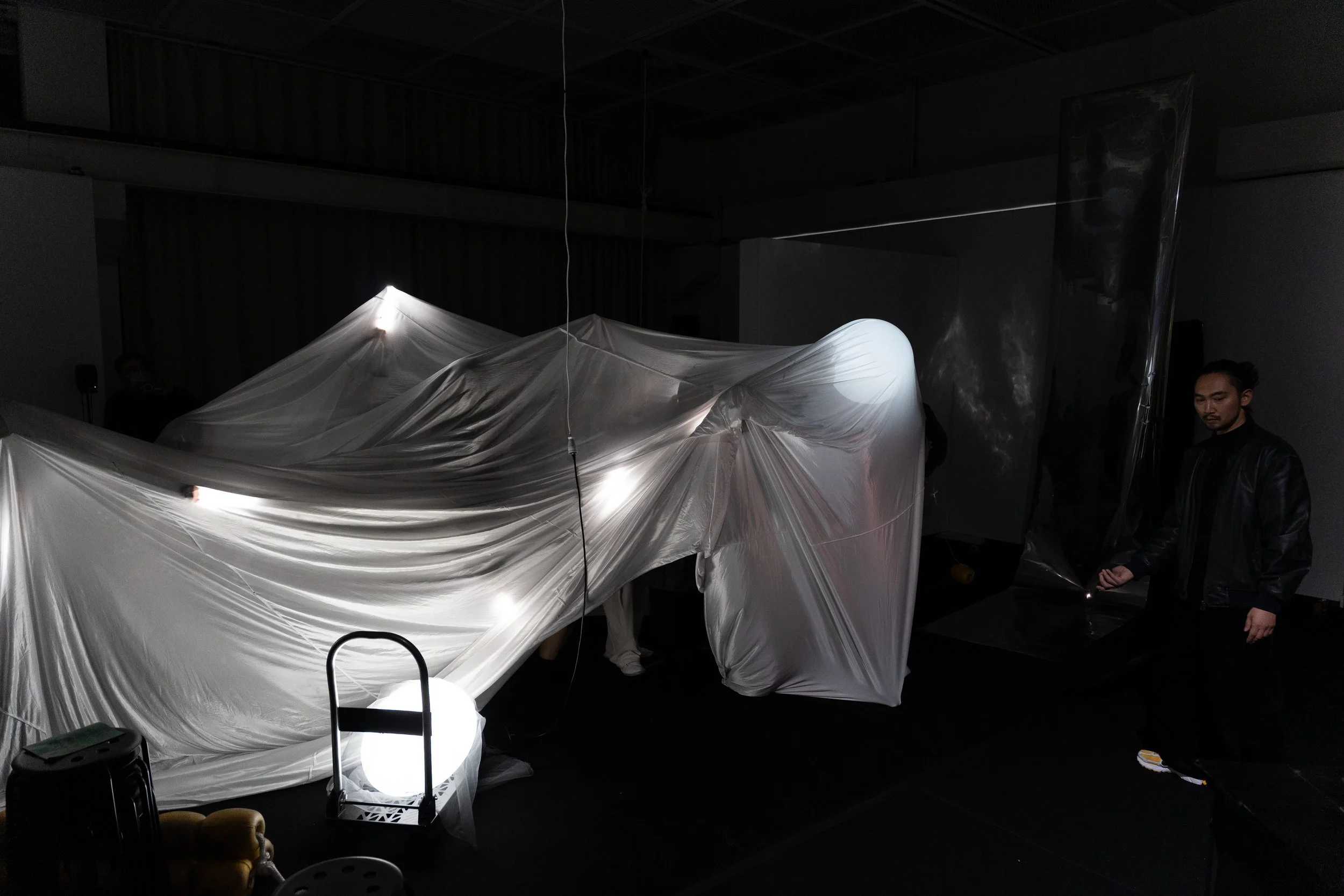
A low-intensity luminance hangs in the air; objects lie scattered across the floor. From a distance, the vocalist’s fractured singing and the string player’s tremulous utterances—unbound from narrative—fill the space. The work resists clear thresholds of beginning and end. The audience enters midstream and moves as one might in an already inhabited environment: walking, pausing, pivoting, drifting. It is a four-hour durational piece structured for staying. Here, the measure of experience is not what one has “seen,” but how long one has remained—and what kind of presence one has maintained within that time.
The space articulates itself through three zones: a visual field organized around light and objects; a kinetic field in which dancers and actors form relations through slow, incremental motion; and a sonic field where voice, strings, and electronics circulate. Yet these are not discrete compartments. Sound bleeds across zones; movement interrupts listening; the audience’s shifting position continually recomposes the work’s perceptual hierarchy. Composition takes place not only in what is staged, but in how one traverses it.
The work’s decisive gesture is the destabilization of the spectator. One enters as viewer, yet may gradually become co-constitutive—an element that completes the piece’s ecology. When a small rite begins, music takes on the quality of incantation: Buddhist-scripture-like chanting interwoven with Western vocal technique. Almost imperceptibly, the audience is repositioned from observer to participant. Elsewhere, the minute tremor of a dancer’s body becomes a point of departure, extending beyond the dancer into the audience’s own corporeal awareness.
The performance is directed by Boomi Choi, artistic director of Music Odyssey. Trained in jazz composition in the United States and active as a pianist and composer, Choi has consistently pursued what might be called “genre deviation,” favoring hybrid encounters over stylistic fidelity. Paphos 2.0 (2023) staged a collision between artificial intelligence and poetic theatre; the opera Queen of the Night at the Jazz Club (2022) brought jazz into direct contact with opera; and Traditional Style: On Romanticism (2020) braided jazz together with classical music. Across these works, Choi functions as a conduit through which heterogeneous musical bodies meet and entangle.
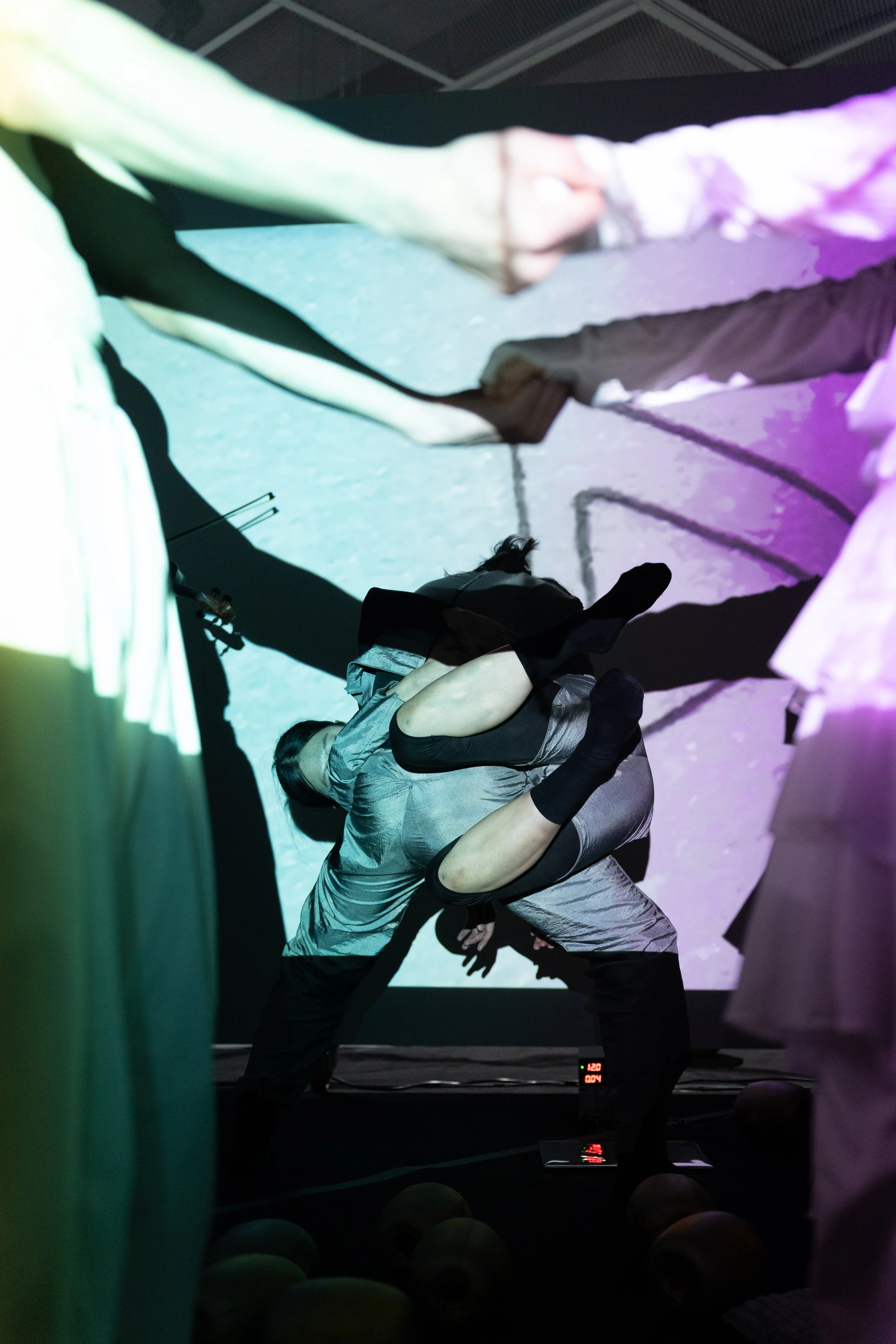
Accordingly, Hearing Time in Silence constructs a sonic grammar that is at once Baroque-like, jazz-improvisational, and sinawi-driven. Baroque textures provide architectural scaffolding; jazz improvisation sharpens real-time responsiveness among performers; sinawi supplies kinetic pressure—an insistence on escalation and release. Distributed through an eight-channel system, sound becomes atmospheric: not an object presented before the audience, but an environment that arrives from behind, beside, and above. Timbres shift with position; sounds withdraw and return; the vocalist’s voice refuses a fixed projection point, drifting instead as spatial material.
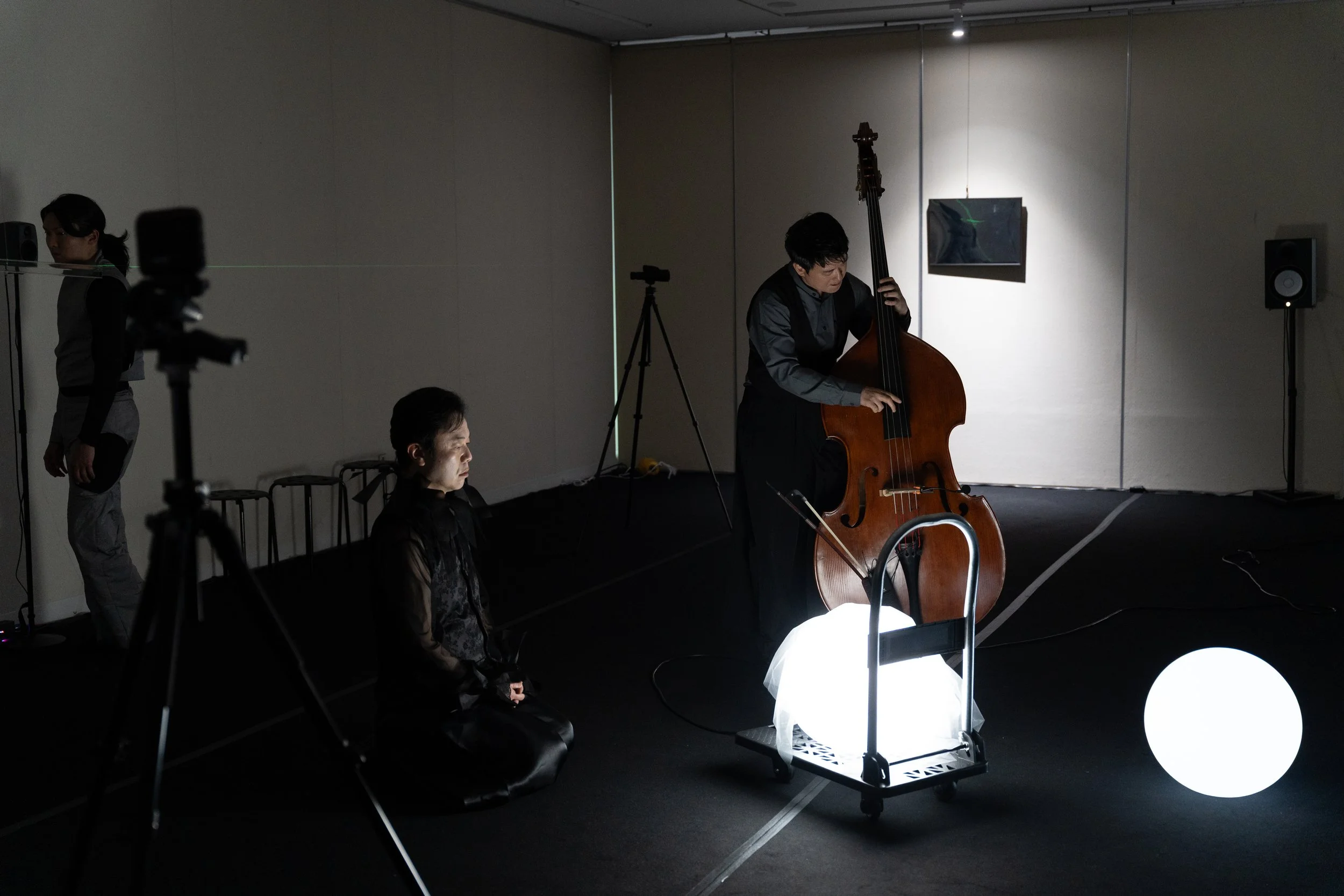
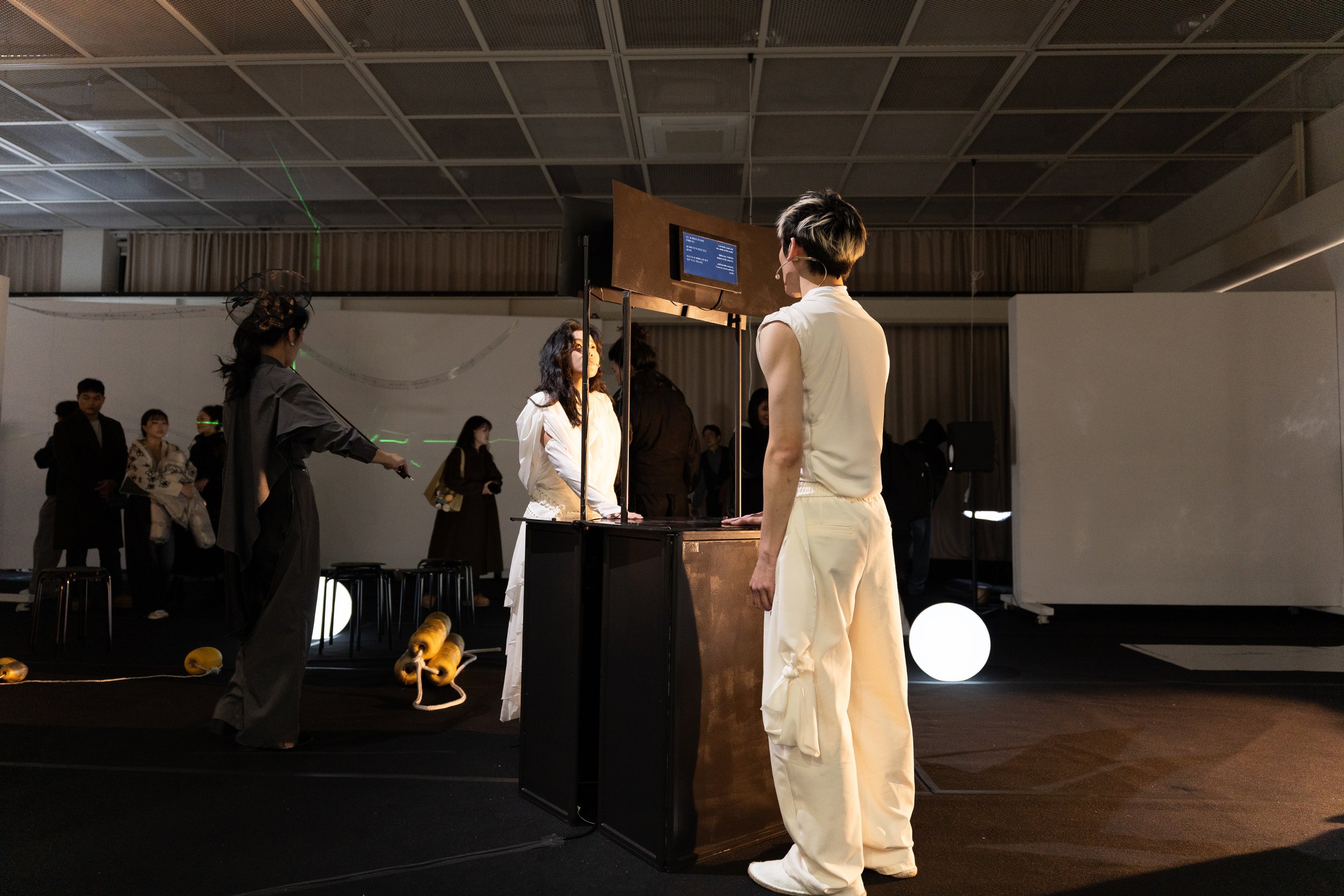
Listening here is not frontal. It is ambulatory, relational, contingent. The audience follows sound, passes between sonic planes, and encounters different music depending on where they stand. Music, in other words, becomes a mode of spatial experience—an architecture of time that can only be grasped through movement.
On January 30 and 31, the work will travel to La MaMa in New York. In this historic crucible of experimental art, Hearing Time in Silence will meet a new audience and, inevitably, generate a new scene. As Choi notes, even between the Incheon and Seoul presentations, audience responses produced markedly different configurations. In New York’s own “silence,” another “time” will be heard—one that may disclose a relationship newly born in another city.
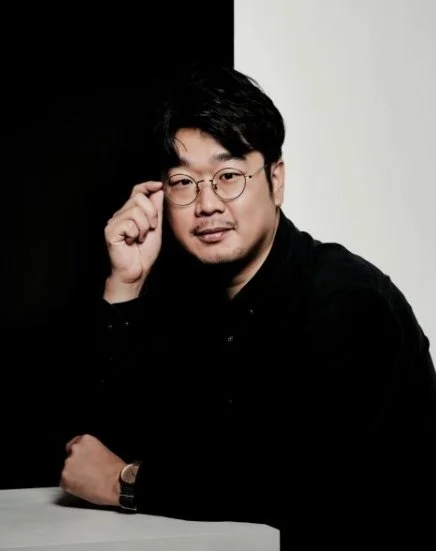
Hyun-min Song is a Seoul-based music critic and editor-in-chief of Monthly GAEKSUK. He writes on classical and traditional music, focusing on contemporary perspectives and critical discourse.